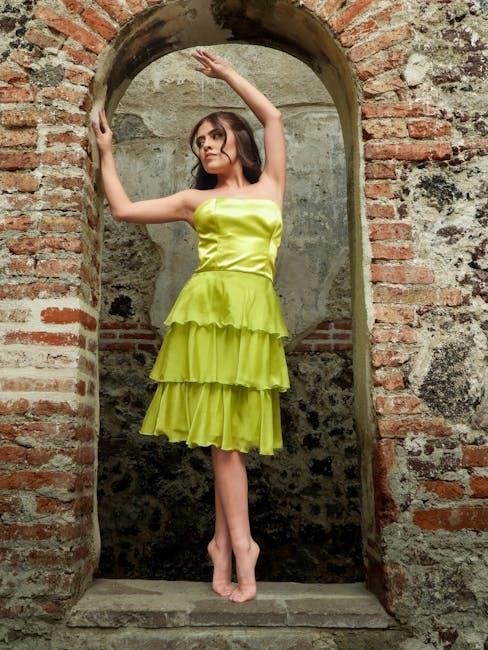
Navigating dress lengths can be tricky! This guide simplifies choices, from mini to maxi, offering clarity on hemline measurements and finding your perfect fit.
Understanding these variations empowers confident style decisions for any occasion, ensuring a flattering and appropriate look.
Understanding Hemline Variations
Hemline variations are crucial for achieving a balanced and flattering silhouette. Dresses aren’t simply “long” or “short”; they fall into distinct categories, each with its own aesthetic and suitability. Mini dresses, typically ending several inches above the knee, exude youthful energy and are ideal for warmer weather or more casual settings.
Above-the-knee lengths offer a classic, versatile option, flattering many body types and appropriate for a wider range of occasions. At-the-knee dresses provide a sophisticated and polished look, often favored for work or semi-formal events. Midi lengths, falling mid-calf, are currently trending, offering a chic and modern alternative.
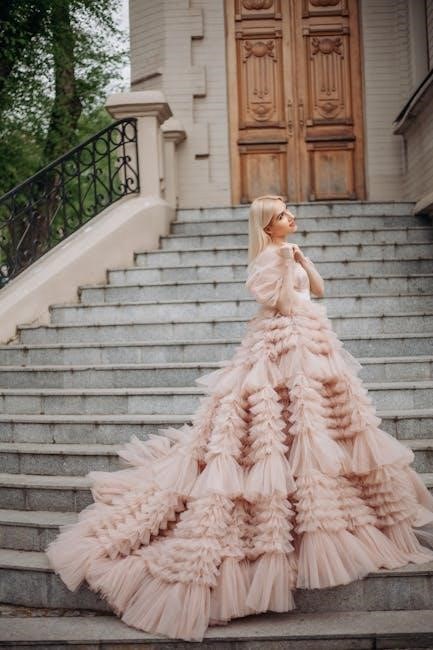
Finally, maxi dresses, reaching the ankles or floor, embody elegance and drama, perfect for formal occasions or making a statement. Considering these variations, alongside your body proportions and the event’s dress code, is key to selecting the most flattering hemline.
Mini Dress Lengths
Mini dresses are bold and playful! Typically several inches above the knee, they showcase legs and offer a youthful, energetic vibe for casual events.
Defining the Mini Length
Precisely defining a mini dress length requires understanding its proportional relationship to the wearer’s height. Generally, a mini dress concludes at least 3-4 inches, and often more, above the knee. However, this measurement isn’t absolute; a petite individual’s mini will naturally appear longer than a taller person’s.
The key characteristic is a significantly shortened hemline, prioritizing leg exposure and a youthful aesthetic. Traditionally, a true mini dress reveals a substantial portion of the thigh. Modern interpretations can vary, with some leaning towards a slightly longer “micro-mini” length.
Ultimately, the mini length is about creating a statement – a confident, often flirtatious, look that emphasizes the legs. It’s a length that demands attention and is best suited for occasions where a bolder style is welcomed.
Who Can Rock a Mini Dress?
The fantastic news is: almost anyone can confidently wear a mini dress! It’s less about body type and more about styling and personal comfort. However, understanding proportions is key. Taller individuals can easily pull off shorter minis, while those with shorter legs might opt for a slightly longer version.
Curvier figures can balance the look with opaque tights and heels, elongating the legs. Petite frames benefit from pairing a mini with wedges or platforms. Confidence is the most important accessory!
Ultimately, a mini dress is about embracing your style and feeling good. Don’t let perceived “rules” dictate your choices; experiment and find what flatters you best.
Styling Tips for Mini Dresses
Elevate your mini dress with thoughtful styling! For a balanced look, consider pairing it with footwear that adds height – think heels, wedges, or platform sandals. Opaque tights are a chic option for cooler weather, creating a sophisticated vibe.
Accessorize strategically. A belt can define your waist, while a structured jacket or cardigan adds coverage and polish. Don’t be afraid to play with textures and colors.
Keep jewelry proportionate to the dress’s boldness. A delicate necklace works well with a statement mini, while bolder pieces complement simpler designs. Remember, confidence is key to rocking any style!
Above the Knee Dress Lengths
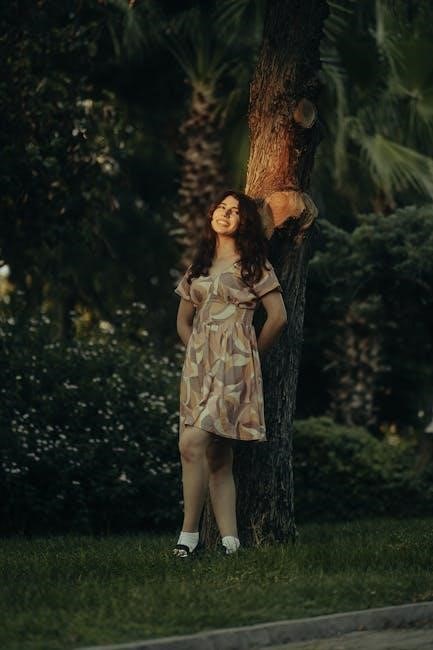
A timeless choice, above-the-knee dresses offer versatility and flattering appeal. This classic hemline suits many occasions and body types effortlessly.
The Classic Above-the-Knee Hemline
The above-the-knee dress length represents a sweet spot in fashion, offering a balance between playful and sophisticated. Typically falling anywhere from 1 to 3 inches above the knee, this hemline has remained consistently popular for decades, transcending fleeting trends.
Its enduring appeal lies in its versatility. It’s universally flattering, showcasing legs without being overly revealing. This length works beautifully for a wide range of dress styles – from casual sundresses and work-appropriate sheaths to elegant cocktail dresses.
The above-the-knee hemline is considered a safe and stylish choice for many events, making it a reliable option when you’re unsure of dress code expectations. It’s a length that feels both comfortable and polished, allowing for ease of movement while maintaining a refined aesthetic.
Flattering Body Types for This Length
The above-the-knee hemline is remarkably versatile, flattering a multitude of body types. For pear shapes, it draws attention upwards, balancing wider hips. Hourglass figures benefit from showcasing their defined waist and legs. It’s also excellent for rectangle shapes, creating the illusion of curves.
Petite frames can appear elongated with this length, especially when paired with heels. Taller women can confidently wear it without appearing disproportionate. However, consider the dress’s overall silhouette. A-line styles work well for most, while fitted dresses accentuate curves.
Ultimately, confidence is key! This length generally flatters those who want to highlight their legs and enjoy a youthful, energetic look. Don’t be afraid to experiment with different styles to find what feels best for your body.
Appropriate Occasions for Above-the-Knee Dresses
Above-the-knee dresses strike a balance between casual and sophisticated, making them suitable for numerous events. They’re perfect for casual outings like brunch with friends, daytime dates, or shopping trips. For workplaces with a business-casual dress code, a tailored above-the-knee dress is often appropriate.
Consider the fabric and style for semi-formal occasions like cocktail parties or family gatherings; A dress in a nicer material, paired with heels and accessories, elevates the look. Avoid overly revealing styles for more conservative settings.
They are generally not ideal for very formal events or conservative professional environments. Always assess the occasion’s dress code and choose accordingly to ensure you feel comfortable and confident.
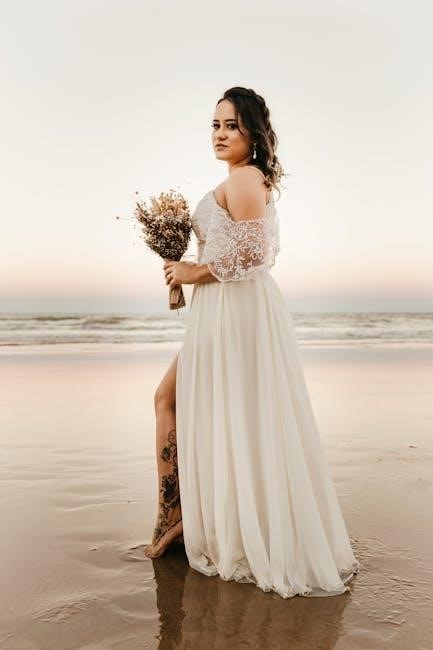
At the Knee Dress Lengths
Knee-length dresses offer timeless versatility, suitable for diverse settings. This classic hemline provides a balanced, polished look for many body types and occasions.
The Versatile Knee-Length Dress
The knee-length dress truly earns its reputation for versatility. It effortlessly transitions from professional work environments to relaxed weekend brunches, and even semi-formal events with the right styling. This length generally falls a few inches above the knee, offering a universally flattering silhouette.
Its adaptability stems from its ability to be dressed up or down. Pair it with a blazer and heels for a sophisticated office look, or sandals and a denim jacket for a casual vibe. The knee-length hemline is considered appropriate for a wider range of occasions compared to shorter or longer lengths, making it a reliable choice for those unsure of dress code expectations.
Furthermore, it’s a comfortable and practical option, allowing for ease of movement while still maintaining a polished appearance. It’s a wardrobe staple that consistently delivers style and grace.
Knee Lengths for Different Body Shapes
Knee-length dresses are remarkably adaptable to various body shapes. For pear shapes, an A-line knee-length dress balances wider hips. Hourglass figures benefit from wrap or fitted knee-length styles, accentuating the waist. Apple shapes can opt for empire-waist knee dresses, creating a flowing silhouette.
Petite frames often find knee-length flattering, elongating the legs, especially with heels. Taller women can confidently wear knee-length dresses without appearing disproportionate. Consider the dress’s structure; a structured knee-length dress adds definition, while a softer fabric creates a more relaxed look.
Ultimately, the key is to choose a style that complements your unique proportions and makes you feel confident and comfortable. Don’t be afraid to experiment!
Knee-Length Dresses: Work to Weekend
The knee-length dress is a true wardrobe workhorse, seamlessly transitioning from professional settings to casual weekend outings. For the office, pair a tailored knee-length sheath dress with a blazer and classic pumps. Swap the blazer for a denim jacket and the pumps for sandals for a relaxed weekend vibe.
A simple knit knee-length dress can be dressed up with statement jewelry and heels for evening events or kept casual with sneakers and a crossbody bag. Accessorizing is key! Consider scarves, belts, and different shoe styles to alter the look.
The versatility of this length makes it a smart investment for any wardrobe, offering endless styling possibilities.
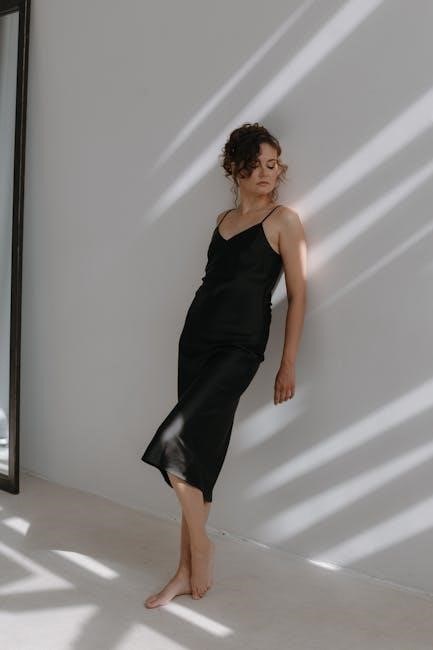
Midi Dress Lengths
Midi dresses, falling between the knee and ankle, are currently trending! They offer a sophisticated and versatile style, perfect for various body types and occasions.
What Defines a Midi Dress?
Defining the midi dress length is surprisingly nuanced. Generally, a midi dress falls anywhere between the knee and the ankle, typically around mid-calf. However, the exact measurement can vary depending on the wearer’s height. What constitutes a midi length for someone 5’4” will differ from someone who is 5’10”.
This versatile length isn’t a recent invention; it’s experienced cyclical popularity throughout fashion history. The midi gained prominence in the late 1960s and early 1970s, offering a more modest alternative to the mini. Today, the midi dress is celebrated for its elegance and adaptability, seamlessly transitioning from casual daytime looks to more formal evening ensembles. It’s a length that feels both modern and timeless.
Ultimately, the key characteristic is that it doesn’t graze the floor like a maxi, nor does it end high above the knee like a mini.
Midi Dress Styles and Trends
Midi dresses currently dominate runways and street style, showcasing incredible versatility. Popular styles include the slip midi, often in silk or satin, offering a sleek and minimalist aesthetic. Pleated midi dresses remain a classic, providing movement and texture. Wrap midi dresses are universally flattering, cinching the waist and creating a beautiful silhouette.
Current trends lean towards bold prints – florals, geometric patterns, and abstract designs are all prevalent. Puff sleeves and statement necklines add a touch of drama, while belted waists emphasize the figure. Knit midi dresses are gaining traction for their comfort and effortless chicness.
The midi’s adaptability allows for experimentation with fabrics and silhouettes, making it a key piece in any modern wardrobe.
Midi Lengths and Shoe Pairings
Pairing shoes with a midi dress requires careful consideration to maintain proportion and style. Pointed-toe heels elongate the legs, creating a sophisticated look, especially with fuller midi skirts. Ankle boots, particularly heeled versions, work well with fitted midi dresses for a chic, modern vibe.
For a more casual aesthetic, consider strappy sandals or block heels. Sneakers can also be surprisingly stylish with a midi, offering a cool, contemporary contrast. Avoid shoes that cut the leg at an unflattering point – generally, steer clear of overly chunky or strap-heavy sandals at the ankle.
Ultimately, the best shoe pairing depends on the dress’s style and the occasion, but mindful choices elevate the entire ensemble.
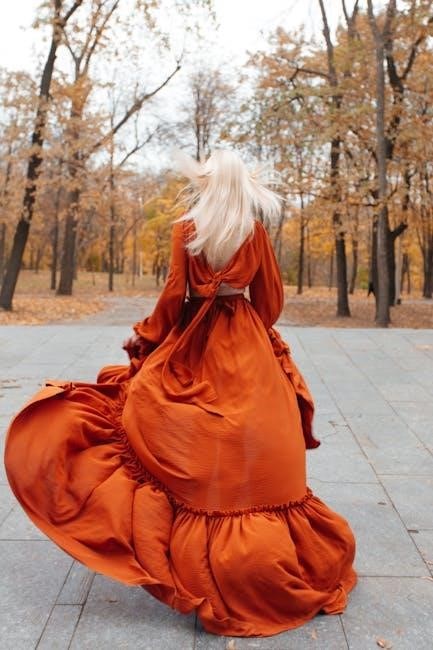
Maxi Dress Lengths
Maxi dresses exude effortless elegance and sophistication. These floor-grazing styles offer versatility, transitioning seamlessly from casual daytime looks to glamorous evening attire.
The Elegance of Maxi Dresses
Maxi dresses represent a timeless appeal, offering a flowing silhouette that embodies grace and sophistication. Their length creates a visually elongated figure, making them universally flattering. The inherent drama of a maxi dress lends itself beautifully to special occasions, but modern styles prove their versatility for everyday wear.
Consider the fabric; lightweight materials like chiffon or silk enhance the flowing effect, while heavier knits provide structure. Maxi dresses can be styled with sandals for a bohemian vibe or heels for a more polished look. They are a fantastic canvas for bold prints or delicate embellishments, allowing for personal expression.
Ultimately, the elegance of a maxi dress lies in its ability to make the wearer feel confident and beautiful, effortlessly commanding attention with its sophisticated charm.
Maxi Dress Fabrics and Designs
Maxi dresses showcase incredible fabric diversity, ranging from breezy cotton and linen for summer to luxurious silk and velvet for cooler seasons. Chiffon and rayon offer ethereal movement, while jersey knits provide comfortable stretch. Designs vary dramatically, encompassing flowing A-line silhouettes, fitted bodycon styles, and tiered constructions.
Popular designs include bohemian floral prints, bold geometric patterns, and classic solid colors. Details like ruffles, slits, and intricate embroidery add visual interest. Off-the-shoulder necklines, halter tops, and wrap styles offer different levels of coverage and sophistication.
Choosing the right fabric and design is crucial for achieving the desired look and feel, ensuring both comfort and style in this versatile dress length.
Maxi Dresses for Various Occasions
Maxi dresses are remarkably adaptable, suitable for a wide spectrum of events. For casual daytime outings, opt for lightweight fabrics like cotton or jersey with relaxed silhouettes and flat sandals. Beach vacations call for breezy, floral-print maxis paired with straw hats and espadrilles.
More formal occasions demand sophisticated fabrics like silk or satin, potentially with embellishments. A sleek, fitted maxi dress with heels is perfect for evening events or cocktail parties. Even weddings can accommodate maxis, especially in elegant designs and rich colors.
Accessorizing is key to transforming a maxi dress for different settings, demonstrating its incredible versatility and timeless appeal.
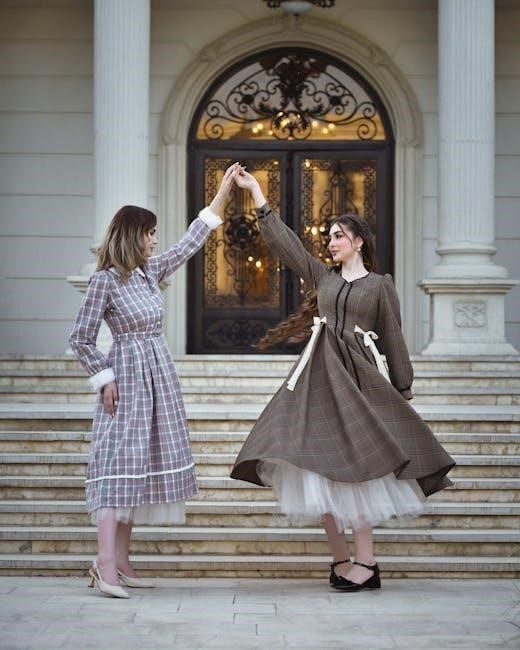
Factors Influencing Dress Length Choice
Selecting the right dress length requires consideration! Body proportions, height, and the event’s formality all play crucial roles in achieving a balanced, flattering silhouette.
Body Proportions and Dress Length
Understanding your body’s proportions is key to selecting a flattering dress length. The goal is to create balance and elongate the legs. For those with longer torsos and shorter legs, a slightly longer hemline – like at or below the knee – can help visually balance the silhouette.
Conversely, individuals with shorter torsos and longer legs can often pull off shorter lengths, such as mini or above-the-knee dresses, without appearing disproportionate.
A midi length can sometimes shorten the legs on petite frames, so careful consideration of shoe height is essential. Generally, defining the waist with a belt or fitted bodice helps to accentuate proportions, regardless of the chosen length. Experimenting with different lengths is encouraged to discover what best complements your unique body shape!
Height Considerations for Hemlines
Your height significantly influences how a dress length appears. Petite individuals (under 5’4”) often benefit from shorter hemlines – mini or above-the-knee – to avoid being overwhelmed by fabric. These lengths create the illusion of longer legs. Midi lengths can work, but require strategic styling, like heels, to prevent a chopped appearance.
For average heights (5’4” – 5’8”), most lengths are viable! Experiment with knee-length, midi, and even maxi dresses. Taller individuals (over 5’8”) can confidently wear almost any length, including longer maxis and sophisticated midis.
Ultimately, proportion is key; consider your torso length alongside your overall height when choosing a hemline; Don’t be afraid to tailor dresses for a perfect fit!
Occasion and Dress Length Etiquette
Dress length appropriateness varies greatly by event. Formal occasions, like weddings or galas, generally call for longer lengths – midi or maxi dresses – conveying elegance and sophistication. Business professional settings typically favor knee-length or slightly below-the-knee hemlines, projecting a polished image.
Semi-formal events offer more flexibility; above-the-knee or midi dresses are suitable choices. Casual gatherings allow for mini dresses or relaxed maxi styles. Consider the venue; a beach party welcomes shorter, breezy lengths, while a conservative church service requires more coverage.
Always prioritize respect for the occasion and cultural norms when selecting a dress length.

Customizing Dress Lengths
Achieve a perfect fit through alterations! Hemming is a cost-effective way to adjust dress lengths, while DIY options offer budget-friendly personalization.
Hemming Options and Costs
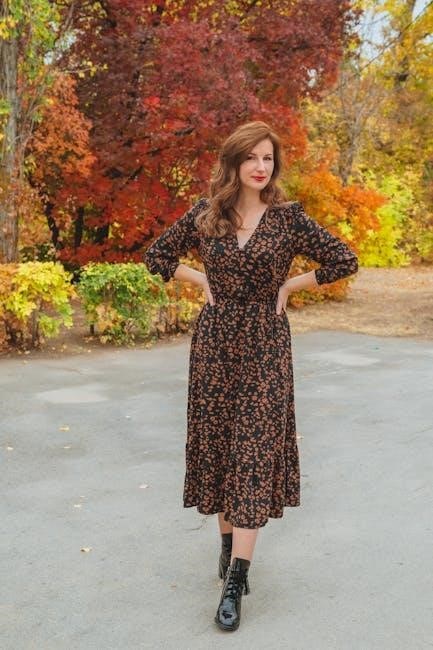
Hemming offers several approaches to achieve the desired dress length. A basic hem, turning up the fabric to create a clean finish, is the most common and affordable option; Blind hems, nearly invisible from the right side, provide a more professional look but come at a slightly higher cost.
Costs vary significantly based on the fabric, complexity of the hem, and location. Simple hems typically range from $20 to $40, while blind hems can cost between $35 and $60. Dresses with multiple layers, embellishments, or delicate fabrics will naturally incur higher alteration fees. Consider the dress’s value and your budget when deciding on the hemming option. Local tailors and dry cleaners often provide hemming services, so obtaining quotes from multiple sources is advisable.
DIY Dress Length Alterations
For the crafty individual, altering dress lengths at home is possible! Begin by carefully measuring and marking the desired hemline, ensuring it’s even all around. Ironing a crease at this mark provides a clear guide. When hand-sewing, a blind stitch creates an almost invisible hem. Alternatively, a sewing machine offers faster results, but requires more precision.
Essential tools include fabric scissors, measuring tape, pins, an iron, and either a needle and thread or a sewing machine. Remember to account for seam allowance! Practice on scrap fabric first to refine your technique. While DIY saves money, professional alterations generally yield a cleaner, more durable finish.
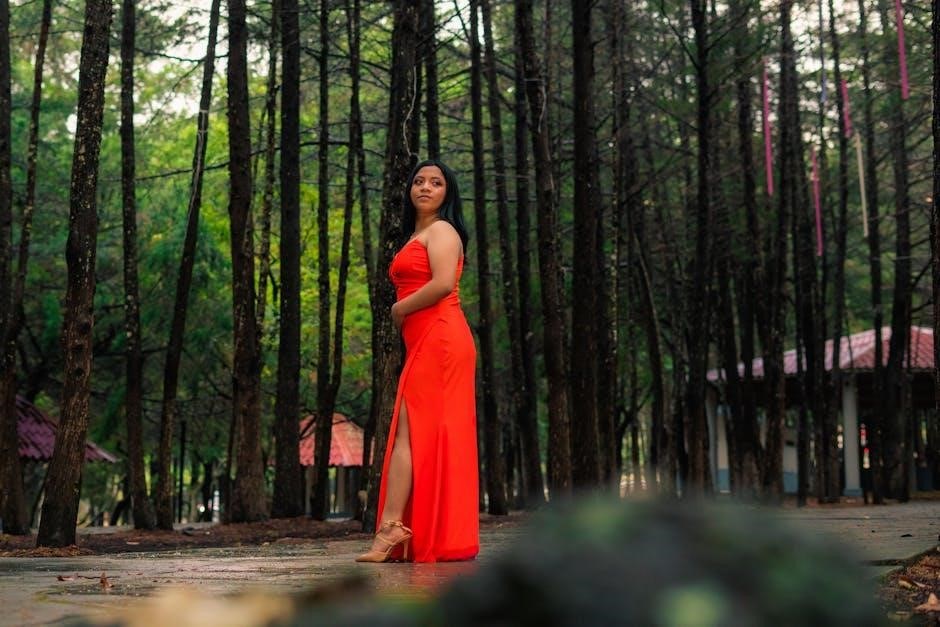
Current Dress Length Trends
In 2026, midi and maxi lengths are gaining prominence! Expect to see variations in asymmetrical hems and tiered designs, offering fresh, modern silhouettes.
Popular Hemlines in 2026
As we move through 2026, several hemlines are dominating the fashion landscape. The midi length, falling between the knee and ankle, continues its reign as a versatile and sophisticated choice. Expect to see a surge in tiered midi skirts and dresses, adding texture and movement.
Furthermore, the asymmetrical hemline is making a strong comeback, offering a playful and modern twist on classic silhouettes. These hems can range from subtle dips to dramatic angles, adding visual interest. Maxi dresses, particularly those with flowing fabrics and bohemian-inspired prints, remain popular for warmer weather and special occasions.
Interestingly, a slightly shorter midi – hitting mid-calf – is emerging as a key trend, offering a fresh alternative to the traditional midi length. Designers are also experimenting with handkerchief hems and subtle slits, adding a touch of allure.
Emerging Dress Length Styles
Beyond established trends, several innovative dress lengths are gaining traction in 2026. The “column” dress, a straight, narrow silhouette extending to the ankle, is experiencing a revival, offering a sleek and minimalist aesthetic. We’re also observing a rise in the “tea length” – falling approximately halfway between the knee and ankle – evoking a vintage charm.
Designers are increasingly incorporating “split hems,” featuring a high slit on one or both sides, adding a dynamic element to midi and maxi lengths. Another notable style is the “bubble hem,” creating a playful, voluminous effect, particularly in shorter dresses.
Expect to see more experimentation with varying hemline heights within a single garment, creating unique and eye-catching designs. These emerging styles prioritize individuality and a departure from conventional norms.