

Article Plan: Summary of Bible Books PDF
This article details resources for concise summaries of each biblical book, including PDFs from Matthias Media and GotQuestions.org, alongside Asimov’s and Rose Publishing’s guides.

Embarking on a journey through the Bible can be daunting, given its length and complexity. Bible book summaries offer a valuable tool for understanding the overarching narratives, key themes, and essential messages within each of the 66 books. These summaries aren’t intended to replace in-depth study, but rather to provide a foundational framework for comprehension.
Numerous resources exist, catering to diverse learning styles. From concise overviews like those found on GotQuestions.org, offering quick insights into each book’s core content, to more comprehensive guides such as Asimov’s Guide to the Bible, a detailed exploration of biblical history and literature.
Matthias Media provides a “Bible Overview Booklet” with materials adaptable for presentations, while Rose Publishing offers a visually engaging “Bible Overview.” These resources, often available in PDF format, facilitate accessible and efficient learning, making the Bible more approachable for all.
II. Why Use a Bible Book Summary?
Utilizing Bible book summaries unlocks a deeper understanding of scripture, particularly for those new to biblical study or revisiting familiar texts. Summaries provide essential context, highlighting major characters, pivotal events, and overarching themes often missed during casual reading. They act as a roadmap, guiding readers through complex narratives and theological concepts.
Concise summaries, like those available in PDF format, are incredibly efficient. They allow for quick review, aiding in memorization and retention of key information. Resources such as GotQuestions.org offer these bite-sized overviews, perfect for busy schedules.
Furthermore, summaries facilitate connections between different books and themes, revealing the unified story of the Bible. Whether using Asimov’s detailed guide or Rose Publishing’s overview, these tools enhance comprehension and foster a more meaningful engagement with scripture.
III. Understanding the Old Testament

The Old Testament, comprising 39 books, lays the foundation for understanding God’s relationship with humanity. Summaries are crucial for navigating its diverse genres – from the historical narratives of Joshua to Esther, to the poetic wisdom of Psalms, and the prophetic pronouncements of Isaiah.
The Pentateuch (Genesis-Deuteronomy) details creation, the fall, and God’s covenant with Abraham. Historical books chronicle Israel’s journey, triumphs, and failures. PDF resources offer condensed overviews of each book, clarifying complex genealogies and historical contexts.
Resources like Matthias Media’s booklet provide a structured approach to grasping the Old Testament’s overarching narrative. Understanding the historical backdrop, as detailed in guides like Asimov’s, is vital for interpreting the text accurately. These summaries illuminate the Old Testament’s enduring relevance.
III.1. The Pentateuch (Torah) ‒ Genesis to Deuteronomy
The Pentateuch, or Torah, comprises the first five books of the Bible: Genesis, Exodus, Leviticus, Numbers, and Deuteronomy. PDF summaries are invaluable for understanding these foundational texts, which detail creation, the fall of humanity, and God’s covenant with Abraham.
Genesis establishes origins, while Exodus narrates Israel’s liberation from Egypt. Leviticus outlines laws for worship and holiness, Numbers recounts the wilderness wanderings, and Deuteronomy reiterates the law before entering the Promised Land.
Resources like GotQuestions.org offer concise overviews of each book, highlighting key events like the Flood and the Tower of Babel. PDF guides help navigate complex legal codes and genealogical records, providing a structured understanding of this crucial section of scripture.
III.2. Historical Books ‒ Joshua to Esther
The Historical Books, spanning Joshua through Esther, chronicle Israel’s journey from conquest to exile and return. PDF summaries are essential for grasping the narrative flow and theological significance of these accounts.
Joshua details the conquest of Canaan, while Judges portrays a cycle of apostasy and deliverance. 1 & 2 Samuel introduce the monarchy under Saul and David, followed by 1 & 2 Kings and 1 & 2 Chronicles detailing the reigns of Solomon and subsequent kings.
Ezra and Nehemiah recount the rebuilding of Jerusalem and the temple, and Esther narrates a story of courage and deliverance. Utilizing PDF resources provides a structured overview of battles, political intrigue, and spiritual lessons within these historical narratives.
IV. Key Themes in the Old Testament
Understanding the overarching themes of the Old Testament is crucial when utilizing Bible book summary PDFs. Central to these texts is the theme of God’s covenant with Israel, established with Abraham and renewed through Moses.
The concept of sin and redemption permeates the narrative, illustrated through sacrifices and prophetic warnings. God’s sovereignty is consistently demonstrated through historical events and divine intervention.

The anticipation of a Messiah grows throughout the Old Testament, foreshadowed in prophecies and typological patterns. PDF summaries effectively highlight these recurring themes, providing a cohesive understanding of the Old Testament’s message. They reveal how each book contributes to the grand narrative of God’s plan for humanity, offering a richer interpretive framework.
Transitioning to the New Testament, Bible book summary PDFs become invaluable for navigating its distinct focus. The central theme revolves around Jesus Christ – his life, teachings, death, and resurrection – fulfilling Old Testament prophecies.
The establishment of the Church and the spread of the Gospel are key narratives, detailed in Acts. PDF resources effectively condense the complex theological arguments presented in Paul’s epistles, clarifying doctrines like justification by faith.
The emphasis on love, grace, and forgiveness distinguishes the New Testament message. Utilizing summaries aids in grasping the interconnectedness of these books, revealing a unified story of redemption offered to all through Jesus Christ. These PDFs provide a foundational understanding for deeper study.
V.1. The Gospels ‒ Matthew, Mark, Luke, and John
The four Gospels—Matthew, Mark, Luke, and John—present unique perspectives on Jesus’ life and ministry. Bible book summary PDFs are particularly helpful here, distilling the nuances of each account; Matthew portrays Jesus as the promised Messiah, fulfilling Old Testament prophecies, while Mark emphasizes his power and authority through action-packed narratives.
Luke highlights Jesus’ compassion, especially for the marginalized, and presents a more universal scope. John focuses on Jesus’ divinity, using symbolic language and profound theological insights.
PDF summaries effectively chart the key events—birth, teachings, miracles, crucifixion, and resurrection—across these Gospels, revealing a cohesive portrait of Christ. They aid in understanding the individual author’s purpose and intended audience.
V.2. Acts of the Apostles ⸺ The Early Church
The Book of Acts chronicles the birth and expansion of the Christian church following Jesus’ ascension. Bible book summary PDFs prove invaluable for navigating this historical account, detailing the apostles’ mission and the spread of the Gospel. It begins in Jerusalem with the outpouring of the Holy Spirit at Pentecost and traces the church’s growth through the ministries of Peter and Paul.
PDF resources highlight key events like the conversion of Saul (Paul), missionary journeys, and the establishment of churches in various cities. They clarify the challenges faced by early believers—persecution, internal disputes—and demonstrate God’s power in overcoming them.
Summaries emphasize the transformative power of the Gospel and its impact on individuals and communities.
VI. Pauline Epistles ‒ Romans to Philemon
The Pauline Epistles, readily summarized in Bible book summary PDFs, comprise letters written by the Apostle Paul to various churches and individuals. These letters address theological issues, practical concerns, and offer guidance for Christian living. Resources like GotQuestions.org provide concise overviews of each epistle, from the systematic theology of Romans to the personal note of Philemon.
PDF summaries help unpack Paul’s arguments regarding justification by faith, the nature of the church, and the Christian’s relationship to the law. They illuminate his teachings on spiritual gifts, love, and the hope of resurrection.
These resources are crucial for understanding Paul’s profound impact on Christian doctrine and practice.
VII. General Epistles ⸺ Hebrews to Jude
The General Epistles, easily accessible through Bible book summary PDFs, are letters written by apostles and leaders other than Paul. These epistles address broad audiences and tackle themes of faith, perseverance, and practical Christian conduct. PDF resources offer condensed overviews of Hebrews, James, Peter (1 & 2), John (1, 2, & 3), and Jude.
Summaries highlight Hebrews’ emphasis on Christ’s superiority, James’ focus on faith and works, and Peter’s encouragement during persecution. They also unpack John’s teachings on love and fellowship, and Jude’s warning against false teachers.
Utilizing these PDF guides provides a structured approach to grasping the unique contributions of each author and their relevance to Christian life.
VIII. Revelation ⸺ Prophecy and the End Times
Revelation, often complex, benefits greatly from Bible book summary PDFs. This final book of the Bible is a highly symbolic prophecy concerning the ultimate triumph of God and the destiny of humanity. PDF resources distill its intricate imagery into understandable outlines, covering key themes like the tribulation, the beast, and the new heaven and new earth.
Summaries clarify the book’s apocalyptic style, explaining the symbolic language and its historical context. They trace the narrative arc from Christ’s present reign to the final judgment and the establishment of God’s eternal kingdom.
These PDF guides aid in navigating the challenging prophecies, offering insights into different interpretations and fostering a deeper understanding of God’s sovereign plan.
IX. Resources for Bible Book Summaries (PDF Format)
Numerous online resources offer Bible book summaries in PDF format, catering to diverse study preferences. Matthias Media provides “The Bible Overview Booklet” as downloadable files for presentations – PowerPoint, Keynote, PDF, and QuickTime – alongside printable cards for interactive learning. This resource is designed for disciple-making and group study.
GotQuestions.org presents a comprehensive collection of 66 book summaries, readily accessible and offering quick overviews of each book’s main themes and key events. These summaries are ideal for rapid reference and initial exploration.
These PDF resources provide convenient, portable access to essential biblical information, enhancing personal study and group discussions.
IX.1. Matthias Media ⸺ The Bible Overview Booklet
Matthias Media’s “The Bible Overview Booklet” is a valuable resource for understanding the narrative arc of Scripture. It’s specifically designed for disciple-making and offers flexible presentation options. Users can access materials as digital files compatible with presentation software like PowerPoint, Keynote, and QuickTime, all available in PDF format.
Alternatively, the booklet is also provided as printable picture and text cards. These cards facilitate a progressive, visual presentation, ideal for building a presentation on a wall or display board during group studies. Each participant benefits from having their own booklet copy.
This resource provides a structured overview, aiding comprehension of the Bible’s overarching story and individual book contexts.
IX.2. GotQuestions.org ‒ 66 Book Summaries
GotQuestions.org provides readily accessible, concise summaries for each of the Bible’s 66 books. This online resource offers a quick overview of the key themes, major events, and theological significance within each book, making it an excellent starting point for Bible study.
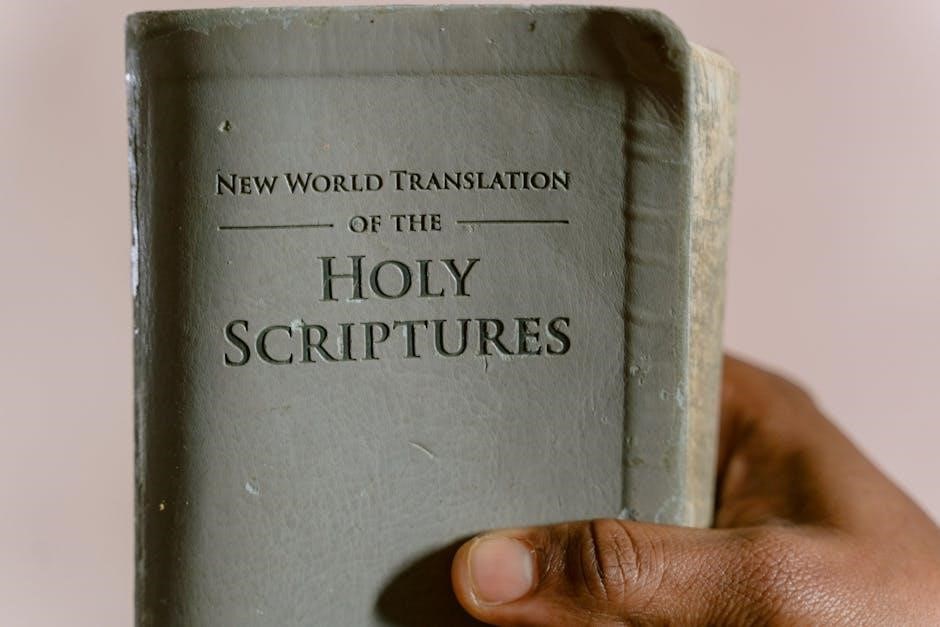
The summaries cover both the Old and New Testaments, beginning with Genesis and concluding with Revelation. Each summary highlights the book’s purpose, authorship (where known), and central message. For example, the Genesis summary focuses on God’s creation, humanity’s fall, and the beginning of God’s covenant with the Hebrew people.
These summaries are designed to be informative and easily digestible, offering a foundational understanding of each biblical text.
X. Asimov’s Guide to the Bible
Isaac Asimov’s Guide to the Bible, originally published in two volumes (1968 & 1969), offers a comprehensive overview of both the Old and New Testaments. Notably, Asimov’s work includes coverage of the Catholic Old Testament – the deuterocanonical books – and the Eastern Orthodox Old Testament books, known as the anagignoskomena, alongside the standard Protestant canon.
This guide doesn’t present simple summaries, but rather provides historical and literary context for each book. Asimov explores the origins, authorship, and cultural influences shaping the biblical texts. He examines the stories, characters, and theological themes with a secular, yet respectful, approach.
The inclusion of the Fourth Book of Ezra demonstrates the breadth of Asimov’s research. While not canonical in all traditions, its inclusion highlights the diverse range of ancient Jewish and Christian literature.
XI. Rose Publishing’s Bible Overview
Rose Publishing’s Bible Overview stands out as a resource designed for accessible understanding of the entire biblical narrative. Unlike many study Bibles or handbooks, Rose Publishing prioritizes a broad, thematic approach, offering a panoramic view of Scripture’s overarching story.
This overview is available in various formats, catering to different learning styles. Users can access materials for presentation software (PowerPoint, Keynote, PDF, QuickTime) or utilize printable picture and text cards for interactive, progressive presentations.
The resource is specifically designed for group study, with the recommendation that each participant possesses their own Bible Overview booklet. This facilitates individual engagement and deeper comprehension of each book’s place within the larger biblical context.
XII. Swedenborg Foundation Resources
The Swedenborg Foundation offers unique resources for exploring the Bible, diverging from traditional summaries. A notable offering is the PDF document, “Secrets of Heaven,” Volume 1, accessible on their website. This resource doesn’t provide concise book summaries in the conventional sense, but rather a detailed, verse-by-verse exploration of the spiritual meaning within the scriptures.
This approach, rooted in the theological perspective of Emanuel Swedenborg, interprets biblical passages as symbolic representations of inner spiritual realities. It delves into the hidden correspondences between the natural world and the spiritual realm, offering a profoundly different lens through which to understand the Bible.
While not a quick-reference guide, the Swedenborg Foundation’s materials provide a comprehensive and deeply interpretive pathway for those seeking a nuanced understanding of biblical texts.
XIII. Utilizing PDF Summaries for Bible Study
PDF Bible book summaries are invaluable tools for focused and efficient study. They provide a quick overview, aiding comprehension before diving into detailed readings. Utilizing these resources effectively involves integrating them into a broader study plan, rather than relying on them as a sole source of information.
Consider using summaries to initially grasp the context, key themes, and major characters of each book. Subsequently, engage with the biblical text directly, referencing the summary to reinforce understanding and identify important passages.
PDF format allows for portability and offline access, making them ideal for study on the go. Annotating PDFs with personal notes and insights further enhances their utility, creating a customized study aid.
XIV. Comparing Different Summary Approaches
Various sources offer Bible book summaries, each with unique strengths and perspectives. Matthias Media’s booklet provides a concise overview suitable for group study, while GotQuestions.org delivers quick, individual book summaries focusing on core content.
Asimov’s Guide offers a historical and literary approach, delving into the cultural context and authorship. Rose Publishing’s overview presents information visually, catering to different learning styles. Swedenborg Foundation resources offer a unique theological lens.
Comparing these approaches reveals differing levels of detail and theological emphasis. Some prioritize historical context, while others focus on practical application. Selecting the best approach depends on individual study goals and preferences.

XV. Benefits of Concise Book Summaries
Concise Bible book summaries offer numerous advantages for study. They provide a rapid grasp of each book’s central themes, characters, and key events, saving valuable time and effort. These summaries are particularly helpful for initial exploration or refreshing knowledge of familiar texts.
PDF formats enhance accessibility, allowing for offline study and easy sharing. They facilitate quick reference during personal devotion or group discussions. Summaries aid in identifying the overarching narrative of Scripture and understanding how individual books contribute to the larger story.
Furthermore, they serve as excellent tools for memory retention and building a foundational understanding of the Bible’s content, ultimately deepening one’s spiritual growth.
XVI. Understanding the Historical Context
Effective Bible book summaries don’t just recount events; they illuminate the historical backdrop. Knowing the time period, cultural norms, and political climate significantly enriches comprehension. For instance, understanding the Babylonian exile is crucial when studying books like Daniel or Esther.
PDF summaries can incorporate this context, providing insights into the author’s intended audience and the challenges they faced. Resources like Asimov’s Guide to the Bible excel at detailing these historical elements, offering a broader perspective.

Recognizing the historical context prevents misinterpretations and allows readers to appreciate the Bible’s relevance to its original audience, fostering a more nuanced and informed understanding of Scripture.
XVII. Identifying Major Characters and Events
Concise Bible book summaries effectively pinpoint key figures and pivotal events. A strong summary doesn’t get lost in minor details but focuses on the central narrative thrust. For example, a summary of Genesis highlights Abraham, Isaac, and Jacob, alongside events like the Flood and the Covenant.
PDF resources, such as those from GotQuestions.org, often utilize bullet points or concise descriptions to clearly identify these elements. Rose Publishing’s Bible Overview also excels at presenting this information in an accessible format.
Recognizing these core components provides a framework for deeper study, allowing readers to grasp the book’s overarching message and its place within the larger biblical story.
XVIII. The Role of Prophecy in Bible Summaries

Effective Bible book summaries acknowledge the significant role of prophecy, particularly within the Old Testament. Many books contain prophetic elements, foreshadowing future events or revealing God’s plan. Identifying these prophecies is crucial for understanding the book’s context and meaning.
Resources like Asimov’s Guide to the Bible dedicate space to exploring prophetic themes, while summaries of books like Isaiah or Daniel inherently focus on their prophetic content.
PDF overviews should highlight key prophecies and their potential fulfillment, offering insights into the interconnectedness of Scripture.
Understanding prophecy enriches the reading experience and reveals the overarching narrative of God’s redemptive plan throughout history.
XIX. Finding Reliable PDF Sources
Locating trustworthy PDF summaries of Bible books requires discernment. Prioritize sources from established theological institutions, reputable Bible publishers, or well-known Christian ministries.
Matthias Media offers a “Bible Overview Booklet” in PDF format, designed for disciple-making and progressive learning. GotQuestions.org provides 66 individual book summaries readily available online.
Swedenborg Foundation resources, while offering a unique perspective, should be approached with awareness of their theological framework.
Exercise caution with lesser-known websites or sources lacking clear authorship and theological grounding. Always cross-reference information and compare summaries from multiple sources to ensure accuracy and avoid misinterpretations.

XX. Conclusion: Enhancing Your Bible Understanding

Utilizing Bible book summaries, particularly in PDF format, significantly enhances comprehension. These resources provide a valuable framework for grasping the core message and historical context of each book.
Resources like those from Matthias Media and GotQuestions.org offer accessible overviews, while works by Asimov and Rose Publishing provide more in-depth analysis.
Remember that summaries are starting points, not replacements for careful reading and personal study. They aid in identifying key themes, characters, and prophetic elements.
By combining concise summaries with diligent exploration, you can unlock a richer and more meaningful understanding of the Bible’s overarching narrative and its relevance to your life.